
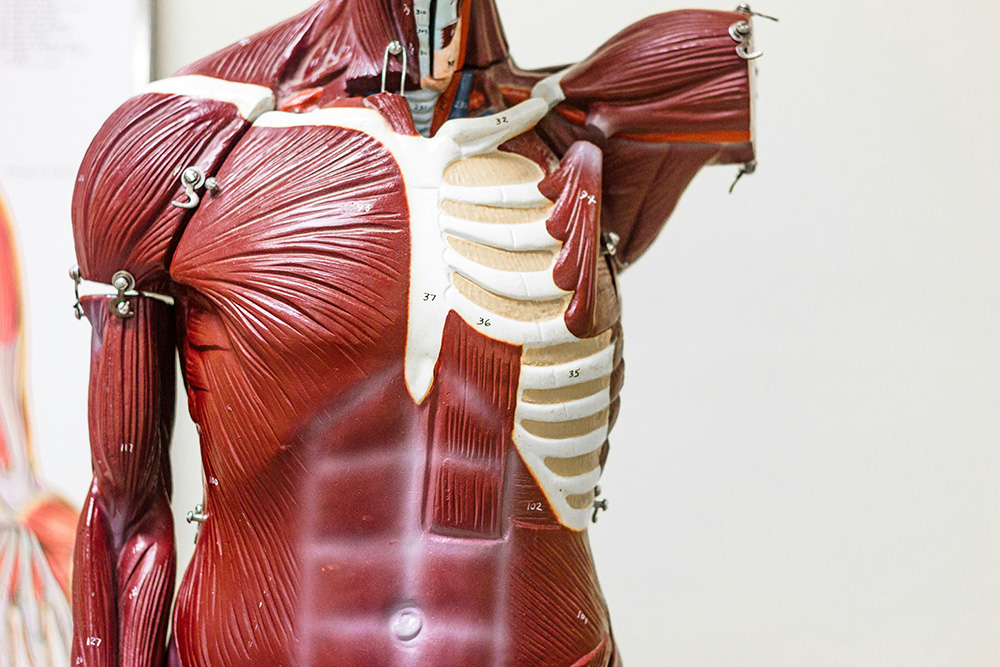

In recent years, the convergence of anatomy and technology has created totally new approaches to studying, teaching, and visualising the human body. At the heart of this transformation is Atomedge, a Cape Town-based firm that creates hyper-realistic digital anatomy assets that go far beyond standard schematics and textbooks. Their work is a potent combination of medical research, excellent 3D modelling, and modern interactive technology.
Atomedge distinguishes itself by emphasising anatomical precision as well as visual depth. Each 3-D Anatomy Model is intended to show the full intricacy of the human body, not as an abstract image, but as an accurate digital model. These models are created from real anatomical data and improved over years of collaboration with medical professionals. This method assures that the ultimate output is not only physically appealing, but also academically sound.
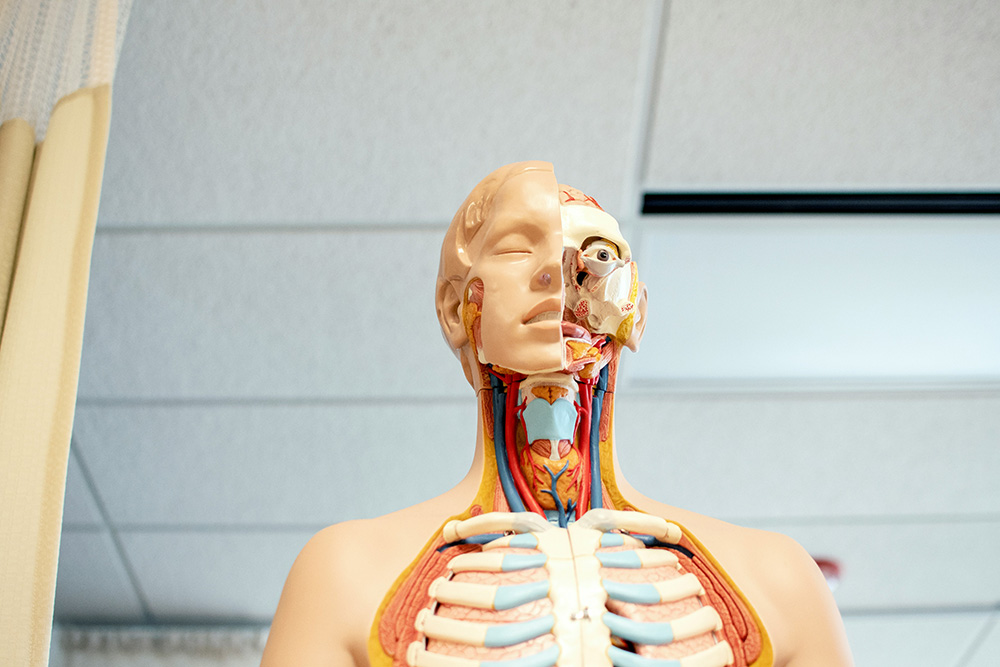
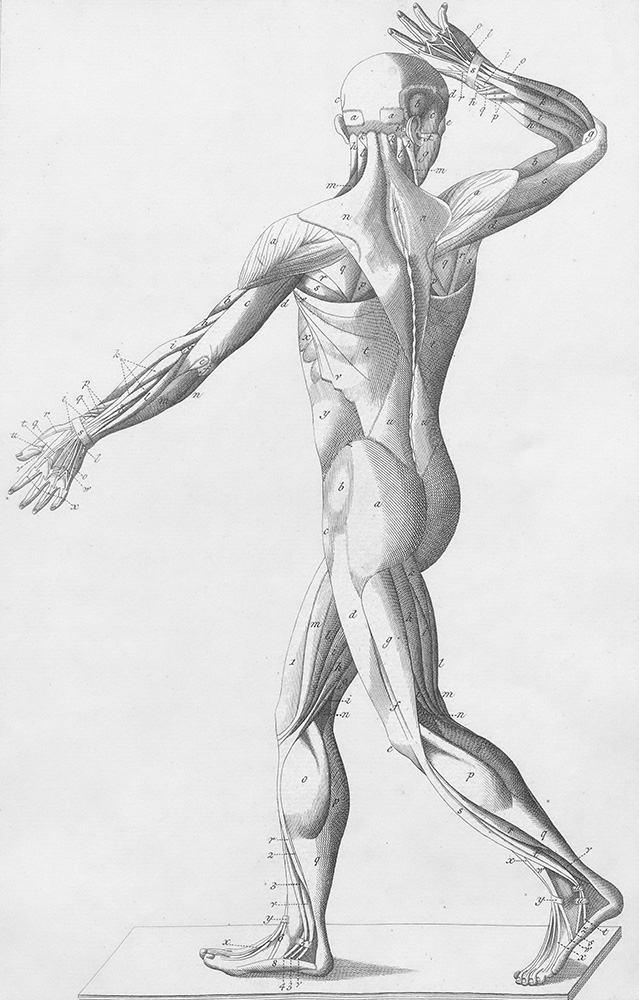
Creating anatomy at this level of detail is a difficult process. It starts with high-resolution scanning and reference material drawn from actual human specimens. Individual systems, organs, and structures are then methodically 3D-reconstructed. Muscles, nerves, blood arteries, and connective tissues are modelled with precise proportions, positioning, and interaction. This level of detail enables users to investigate anatomy layer by layer, obtaining spatial comprehension that flat images cannot.
The relevance of these models is particularly evident in educational contexts. Medical and health science students frequently struggle to convert two-dimensional representations into mental images of the body as a living, linked whole. Interactive 3D models help to bridge the gap. Learners can rotate structures, isolate certain systems, and watch how components interact with one another in space. A 3-D Anatomy Model becomes an exploration tool rather than a static reference, resulting in improved learning and retention.
Educators benefit from the versatility that digital anatomy offers. Traditional anatomy labs can be costly, resource-intensive, and have limited physical access. High-quality digital models provide a scalable solution that may be applied in classrooms, online courses, and hybrid learning environments. Lecturers can adjust visual presentations to their curriculum, while students can review difficult structures at their own pace.
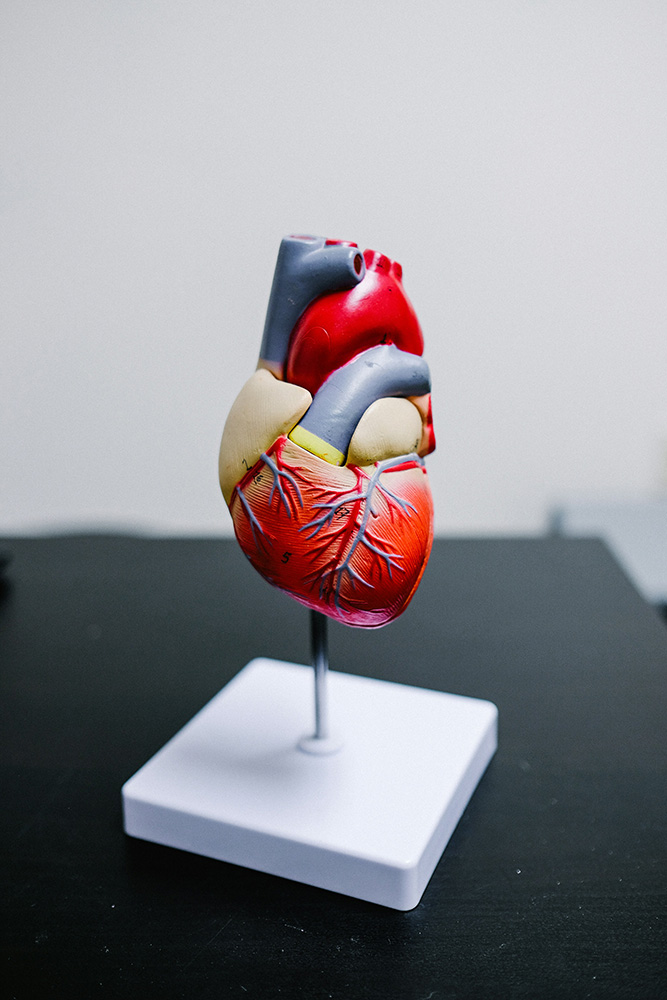
Beyond education, Atomedge’s models are finding use in a variety of industries. In medical research and clinical teaching, precise 3D anatomy allows for the visualisation of intricate biological interactions as well as the modelling of treatments. Surgeons and clinicians can utilise digital models to better comprehend spatial issues before entering an operating room. Researchers can visualise anatomical variances and create 3D prints for study and demonstration.
The creative and digital industries have also taken note. Film, animation, and gaming creators are increasingly looking for anatomically realistic elements to boost realism. Detailed anatomical representations that can be experienced immersively are very useful for virtual and augmented reality systems. Atomedge creates graphics that interface seamlessly with standard technologies like gaming engines and 3D software, making them available to developers working across several platforms.
Atomedge’s technical innovation is heavily focused on optimisation and usability. High detail does not necessarily imply poor performance. The models are meticulously designed to strike a compromise between realism and efficiency, allowing them to function smoothly in real-time applications. Rigged parts allow for movement and animation, allowing you to depict joint mechanics, muscle contraction, and physiological motion in a natural and intuitive manner.
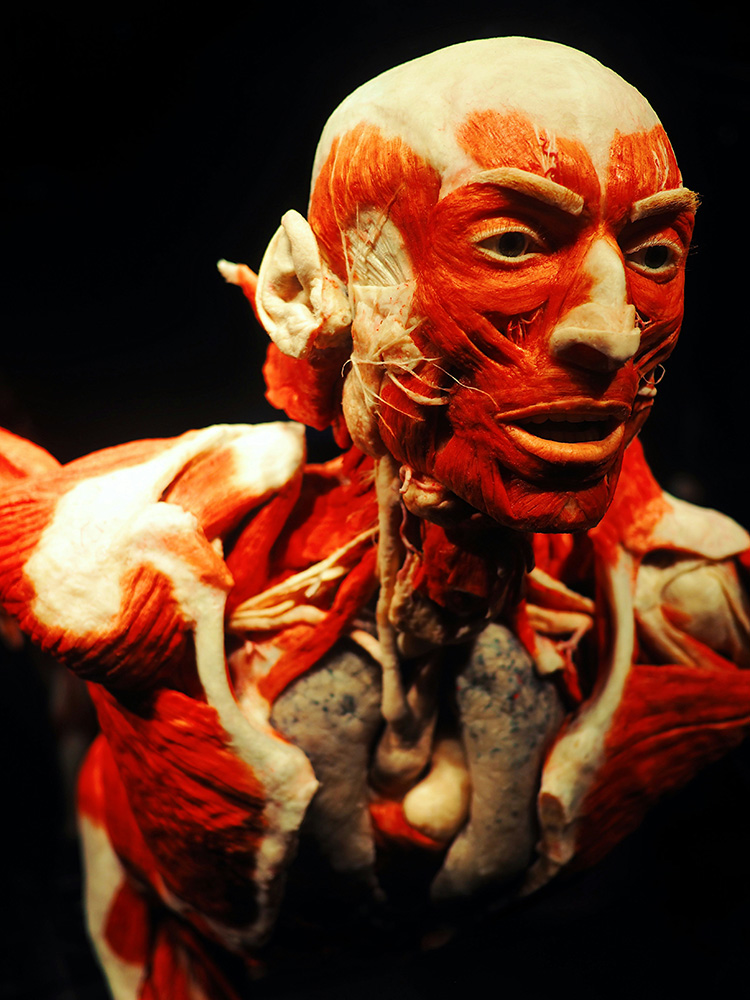
Texture work is another distinguishing characteristic. Subtle changes in tissue, surface detail, and colouration create depth and realism while maintaining pedagogical clarity. This focus on visual nuance helps people believe what they see, establishing the link between the digital model and real-world anatomy.
Looking ahead, the demand for precise digital anatomy is only expected to increase. As virtual learning environments, simulation-based training, and immersive technologies grow more widespread, the demand for accurate anatomical content will rise. Atomedge is well-positioned in this market, combining scientific rigour with technical expertise to suit the needs of educators, professionals, and creative alike.
Finally, Atomedge’s work demonstrates what is possible when anatomy meets technology with intent. These hyper-realistic digital models are more than just depictions of the human body. They are resources for learning, discovery, and creativity. Atomedge is helping to change our understanding and engagement with human anatomy in the digital age by translating complicated biological structures into accessible, interactive experiences.